



Follow Us



Blog
June 27
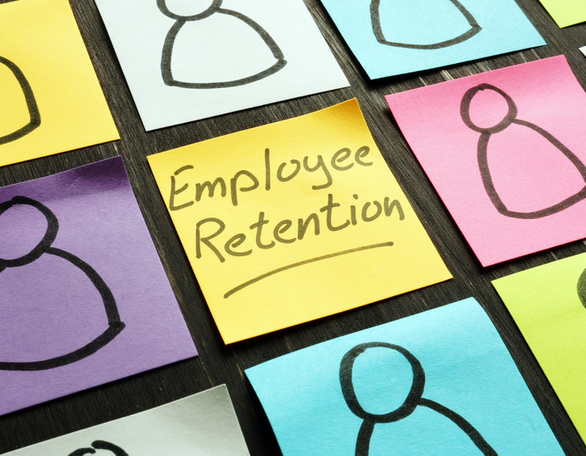
In the Fight for New Employees – Bosses Live by a 90 Day Rule



6/26/2022 Wall Street Journal
In their quest to retain workers, companies are sharpening their focus on a very specific common goal- 90 days.
Hold on to an employee for three months, human resources specialists say, and that person is more likely to remain employed longer-term, which they define as anywhere from a year on in today’s high turnover environment. That has led many companies to roll out special on boarding procedures, stepped up training, new employee mentor programs and even “stay” bonuses to prevent new hires from quitting in their first three months on the job.
This summer’s labor market is among the tightest in decades, and finding enough workers, let alone desirable ones, remains so difficult that companies are increasingly motivated to retain new hires. Three months has traditionally been considered enough time for employees to begin to prove themselves. Many companies also withhold some benefits and enforce a 90 day new hire or probation period.
Governor Rolls Back California COVID-19 Executive Orders & Cal/OSHA Releases Draft Permanent COVID-19 Standard
By Sean Paisan on June 23, 2022 Jackson Lewis PC
On June 17, 2022, Governor Newsom issued an executive order terminating certain provisions of prior executive orders related to Cal/OSHA’s COVID-19 Emergency Temporary Standards (ETS). Some of the terminated orders were no longer necessary due to changes in the ETS. For example, previously the Governor had issued an executive order stating exclusion periods could not be longer than California Department of Public Health (CDPH) guidelines or local ordinances. However, since the ETS now defers to CDPH guidance on isolation and quarantine, the Governor has rescinded his prior executive order on this issue. Moreover, Cal/OSHA has issued guidance for employers on COVID-19 Isolation and Quarantine that aligns with CDPH requirements.
The current version of the ETS remains in effect until the end of 2022. However, Cal/OSHA won’t be done with COVID-19 regulations in 2023. The agency is currently working on a permanent COVID-19 Standard. Recently, the draft of the proposed regulation was released.
The draft regulation carries over many of the employer obligations from the current ETS. The following are some of the proposed requirements:
- COVID-19 procedures, either included in their Injury and Illness Prevention Program (IIPP) or a separate document.
- Exclusion and prevention requirements for positive employees and close contacts.
- Employers would continue to be required to provide testing to employees who have a close contact in the workplace.
- Employers would continue to have notice requirements for COVID-19 exposure.
- Employers would continue to have to provide face coverings to employees.
- Employers would continue to have reporting and recordkeeping requirements for COVID-19 cases and outbreaks in the workplace.
Currently, no public hearing has been set for the proposed permanent COVID-19 Standard, so it is uncertain how soon the regulations may be implemented.
- No Employee Handbook? You Are One Lawsuit Away from a Very Expensive Lesson.

- The People Behind the Pallet: Why Your Warehouse Workforce Is Your Greatest Safety Liability and Your Greatest Asset
- First Aid Training in California: Why Manufacturing and Professional Services Employers Are Held to the Same Standard of Preparedness

- The Hidden Financial Risk Lurking Inside California Office Workplaces

- Why MedTech Companies Must Prioritize Safety & Compliance Training

- General (2)
- HR Risk Management (1)
- Latest Blogs (261)
Recent Post
Categories
